


Views: 0 Author: Site Editor Publish Time: 2026-10-09 Origin: Site


Did you know inconsistent watering stands as the leading cause of houseplant and container garden failure? Overwatering drowns delicate root systems. Underwatering leaves them parched, brittle, and unable to absorb essential nutrients. Many gardeners face this frustrating, endless cycle every single day. To solve this common issue, manufacturers heavily promote automated solutions. We must move beyond shiny marketing claims to objectively evaluate these options. Is upgrading to a specialized system truly necessary for your specific plants and lifestyle?
This article breaks down the exact science behind sub-irrigation. You will discover how different vessels impact soil moisture, root health, and daily maintenance schedules. We will set a clear baseline right away. Both traditional containers and modern reservoirs can yield incredibly healthy, thriving plants. They simply require entirely different maintenance approaches and specialized substrate choices. Let us explore the mechanics, compatibility, and implementation risks to help you succeed.
Mechanism: Regular pots rely on gravity and manual saturation; self-watering planters use capillary action to deliver moisture from a bottom reservoir.
Plant Compatibility: Self-watering systems excel for moisture-loving tropicals and vegetables but can cause root rot in succulents, cacti, and epiphytes.
Maintenance Shift: Self-watering planters reduce watering frequency (ideal for travelers) but require monitoring of the reservoir to prevent stagnant water.
Cost vs. ROI: While a standard plastic flower pot with drainage is cheaper upfront, self-watering systems often recover costs by reducing plant mortality rates.
How do these containers actually deliver vital moisture to your plants? We must understand the underlying physics driving each watering system. The internal mechanics dictate how roots grow and absorb nutrients over time.
Traditional containers rely entirely on gravity and manual top-watering. You pour water directly over the topsoil surface. Gravity pulls this moisture downward. When you use a Regular Plastic Grower Pot, the potting mix absorbs what it can physically hold. Any excess liquid then escapes freely through the bottom drainage holes.
This traditional method offers immediate, manual control over soil moisture. You decide exactly when your plant receives a drink. You control the exact volume of water applied. However, this approach carries distinct risks. The soil experiences rapid evaporation from the top down. Furthermore, uneven saturation often creates hidden dry pockets beneath the surface. Roots situated in these dry pockets simply wither and die.
Modern reservoir systems operate on a completely different principle called sub-irrigation. They do not rely on gravity to push water down. Instead, these units contain three vital core components. First, they feature a deep water reservoir at the base. Second, they utilize a wicking mechanism. This might be a synthetic fabric cord or specialized soil legs reaching into the water. Finally, an aeration screen physically separates the main root zone from the standing liquid.
This design delivers consistent, low-level moisture. It relies on capillary action to pull water upward against gravity. Think of a paper towel dipping into a spill. The moisture climbs upward naturally. This keeps the substrate evenly damp at all times. The main drawback involves mineral management. Because you water from below, you limit the ability to automatically flush the soil of fertilizer salt buildup during routine chores.
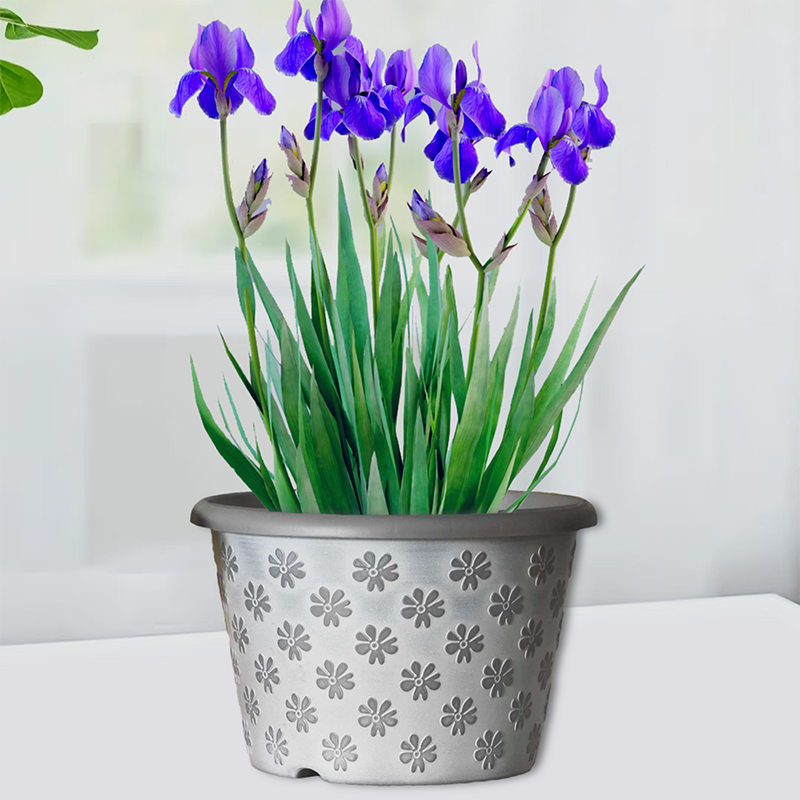
We must evaluate these two container types across practical, everyday dimensions. How do they perform in real-world gardening scenarios?
Standard containers create a high-fluctuation environment. You soak the plant, creating a heavily saturated environment. Then, the soil slowly dries out over several days or weeks. This creates a severe wet-to-dry cycle. You must use sufficiently porous soil to maintain oxygen levels immediately after a heavy drench.
Conversely, Self-watering planters maintain a constant, baseline moisture. The lower half of the soil never fully dries. Because of this continuous dampness, the system demands a highly aerated potting mix. Adding generous amounts of perlite, pumice, or coarse bark prevents the substrate from compacting. Compacted, wet soil becomes heavy and quickly suffocates delicate root systems.
Time management becomes crucial as your indoor garden grows. If you use standard containers, your maintenance time scales linearly. Tending to thirty plants takes three times as long as tending to ten. You must manually check each pot for dryness.
Sub-irrigation significantly reduces active watering days. You can consolidate your weekly chores into one brief session. The system allows for bulk reservoir top-offs every one to three weeks. This efficiency transforms a stressful daily chore into a highly manageable monthly routine.
Let us examine the financial impacts carefully. You face an immediate choice at the garden center. A standard Plastic Flower Pot with Drainage offers a highly affordable upfront price. It works perfectly for tight budgets and mass spring planting.
Advanced reservoir systems cost considerably more initially. You pay a premium for UV-resistant plastics, sturdy water indicators, and internal aeration screens. However, these higher upfront costs often balance out over the growing season. Better moisture management drastically reduces plant mortality rates. Saving just one expensive rare plant easily covers the cost of an upgraded container.
System Performance Comparison
Feature Dimension | Standard Drainage Pots | Sub-Irrigation Planters |
|---|---|---|
Water Delivery Method | Gravity-driven (Top-Down) | Capillary Action (Bottom-Up) |
Soil Moisture Profile | High Fluctuation (Wet-to-Dry) | Consistently Damp Baseline |
Routine Maintenance Focus | Frequent Soil Checking | Periodic Reservoir Refills |
Substrate Requirement | Standard Well-Draining Mix | Highly Aerated (Perlite-Heavy) Mix |
Initial Financial Investment | Very Low | Moderate to High |
Not every botanical species thrives in constant moisture. Matching the specific root system to the right container determines your ultimate success.
Focus your investments on moisture-loving species. These plants absolutely despise dry roots.
Tropical Understory Foliage: Ferns, Calatheas, and Alocasias evolved in humid, constantly damp jungle floors. They suffer immediate cellular damage if their root zone dries out completely. Crispy leaf edges often indicate fatal moisture drops.
Thirsty Garden Vegetables: Tomatoes, cucumbers, and leafy herbs drink massive amounts of water during summer days. A bottom reservoir prevents midday wilting and blossom end rot.
Bog and Carnivorous Plants: Pitcher plants and sundews evolved in swampy conditions. They demand constant dampness to produce healthy traps.
Look at drought-tolerant species. These plants need fresh air around their roots just as much as water.
Desert Natives: Succulents and Cacti possess shallow, delicate roots. They rot quickly in constantly moist soil. They thrive best in dry, gritty conditions.
Tropical Epiphytes: Orchids and Monsteras grow attached to tree bark in the wild. Their thick roots require massive air circulation. Continuous moisture suffocates them rapidly.
Drought-Resilient Houseplants: ZZ Plants and Snake Plants store excess water in thick underground rhizomes. They require a strict, prolonged drought period between waterings. This intentional dry phase prevents fungal infections and deadly bacterial root rot.
Many eager gardeners face unexpected challenges when switching container types. Understanding these common adoption pitfalls saves valuable time and prevents plant loss.
The "Top-Watering Transition" Myth: This represents the single most common user failure. People transplant their greenery and assume the wicking system works immediately. It does not. Roots must grow deep enough into the fresh soil to reach the active wicking zone. You must continue top-watering manually for the first three to four weeks. Monitor the soil surface closely. Once the root system establishes itself, it will naturally begin drawing moisture from below.
Reservoir Stagnation & Overfilling: You must exercise restraint when refilling. Never fill the reservoir past the physical aeration screen. Doing so instantly drowns the lowest roots. They need oxygen to survive and process nutrients. Furthermore, do not keep the reservoir endlessly topped off. Let the water level drop completely. Allow the reservoir to remain dry for one to two full days before refilling. This brief dry cycle introduces essential oxygen deep into the system.
Fertilizer Salt Buildup: Sub-irrigation dramatically changes how minerals move through soil. In nature, rain washes minerals downward. In a wicking setup, moisture travels upward and evaporates at the surface. This continuous upward flow leaves raw fertilizer salts behind. Over several months, these salts form a white crust on the topsoil. This crust can chemically burn delicate plant stems. You must perform an occasional top-flush. Pour pure water through the top of the soil every two months. Let it drain entirely to wash away accumulated minerals.
Your final decision depends on three interacting factors. You must weigh your plant types, daily schedule, and overall budget constraints carefully.
You primarily grow drought-tolerant species. Cacti and succulents despise wet feet and demand rapid drying. You might also prefer the active, daily routine of hands-on plant care. Many indoor gardeners find checking moisture levels highly therapeutic. It connects them deeply to the natural world. Finally, traditional containers make perfect sense for large-scale propagation. If you are potting up dozens of small plants on a strict budget, simple pots keep your expenses highly manageable.
You travel frequently for business or pleasure. An unpredictable weekly schedule makes routine watering nearly impossible. Deep reservoirs offer ultimate peace of mind during long absences. You should also consider this route when investing in high-value, moisture-sensitive foliage plants. Rare tropicals demand environmental stability to push lush new growth. Lastly, they help you efficiently optimize a large indoor collection. Reducing your weekly maintenance hours keeps the gardening hobby enjoyable rather than feeling like a second job.
Let us firmly establish our final perspective. Modern self-watering planters are not a magical, set-and-forget miracle. Rather, they represent a fundamental structural shift in how plants access essential water. They expertly trade frequent, messy watering for periodic, calculated reservoir monitoring.
We highly recommend conducting a thorough audit of your plant collection. Assess the specific, documented moisture needs of your foliage. Evaluate your actual weekly availability before committing to a complete system upgrade. Never force drought-loving succulents into sub-irrigated setups. Conversely, transition your dramatic, thirsty tropicals immediately to enjoy robust growth.
Take action on your containers today. Review your current botanical setup. Identify which delicate plants constantly wilt between your watering sessions. Then, confidently explore a curated collection of high-drainage standard pots or advanced reservoir planters based entirely on your newly evaluated needs.
A: Not inherently, but they certainly will if used improperly. Root rot typically occurs when you use dense, non-aerated potting soil that traps too much water. It also happens frequently if you place incompatible, drought-loving plants into these constantly damp systems. Always use well-aerated soil.
A: No. Standard potting soil becomes far too dense when exposed to constant, wicking moisture. Sub-irrigation requires a specialized mix heavily amended with perlite, pumice, or coarse bark. This maintains strong capillary action while preserving essential air pockets so delicate roots do not suffocate.
A: You have two highly effective methods. You can mix liquid water-soluble fertilizers diluted to quarter-strength directly in the bottom reservoir. Alternatively, you can mix slow-release fertilizer pellets directly into the topsoil. Combine pellet usage with periodic top-watering to distribute nutrients downward efficiently.
A: Yes, they perform exceptionally well in outdoor garden settings. However, they must feature a functional overflow hole. This critical feature prevents heavy rainwater from filling the reservoir past the aeration screen. Without this overflow mechanism, sudden heavy rainfall will easily drown your plants.


