


Views: 0 Author: Site Editor Publish Time: 2026-10-12 Origin: Site


Lining garden paths requires balancing aesthetics with hardsite realities. Heavy stone containers sink into soft ground and require heavy machinery just to position them. Terracotta shatters when winter frost hits, destroying your materials in a single season. Cheap nursery plastics degrade rapidly under UV rays, leaving your walkways looking neglected and unprofessional. You need containers that handle foot traffic, weather extremes, and soil expansion without blowing your project budget. High-quality decorative plastic flower pots solve these site issues directly. They give you the visual weight of masonry without the actual tonnage. Modern polymer engineering allows you to achieve a substantial, high-end look while maintaining the practical benefits of lightweight, weather-resistant materials. This guide covers how to spec, place, and anchor polymer containers to build professional-grade walkway borders that remain structurally sound year after year.
Material Viability: Modern decorative plastic flower pots offer superior frost resistance and moisture retention compared to porous materials, making them highly practical for year-round path lining.
Aesthetic Innovation: Pre-finished options, such as marble-effect decorative flower pots, eliminate the need for labor-intensive DIY treatments while providing high-end visual appeal.
Structural Integration: Utilizing specific shapes, like arc-edge planters for garden paths, allows for seamless integration with curved walkways and modular landscaping designs.
Risk Mitigation: The primary drawback of plastic—light weight—must be actively managed through strategic drainage layering and base weighting to prevent wind displacement.
Establishing baseline metrics for your outdoor containers prevents costly landscaping failures. UV stability stands as the absolute non-negotiable requirement. Direct sunlight breaks down the chemical bonds in cheap polymers, leading to chalking, fading, and eventual structural collapse. Structural integrity also matters deeply when soil expands. Heavy rainfall followed by rapid temperature drops causes potting soil to swell. Weak containers warp or split under this internal hydrostatic pressure. Visual consistency ensures your path looks like an intentional architectural feature rather than a haphazard collection of leftover garden center pots.
Scale and proportion dictate the success of your pathway design. Container size must directly correlate with the width of the garden path. A narrow two-foot residential walkway feels claustrophobic when lined with massive 24-inch containers. Conversely, a wide four-foot driveway approach completely swallows up tiny six-inch pots, making them look insignificant. Choose containers that complement the hardscape dimensions. Always leave sufficient clearance for pedestrian traffic, ensuring visitors can walk comfortably without brushing against wet foliage or tripping over protruding container edges.
Before purchasing any containers, conduct a thorough site assessment using these steps:
Measure the total width of the hardscape to determine the maximum allowable container diameter without encroaching on foot traffic.
Track daily sun exposure along the path to select polymers with appropriate thermal resistance and UV rating.
Map existing irrigation lines to plan for drip emitter integration directly into the container root zones.
Calculate the average wind load in the corridor to determine the exact base weighting needs for lightweight pots.
Professional horticultural standards reveal stark differences between plastic and porous stone. Plastic retains moisture significantly better than unglazed terracotta or concrete. This reduces your watering frequency during peak summer months and keeps the root ball hydrated. Root temperature regulation also requires careful consideration. Dark plastic containers absorb solar radiation rapidly. This warms the soil faster in early spring, promoting rapid root growth. However, in peak summer, dark plastics can overheat the root zone. Selecting lighter colors or utilizing double-walled plastic designs creates a thermal break, protecting delicate root systems from extreme temperature spikes.
The environmental realities of using plastics outdoors demand informed purchasing decisions based on material science. Cheap, non-stabilized plastics become brittle and shed microplastics into the surrounding garden soil as they degrade. Professional landscapers strictly avoid these budget options. Instead, we specify high-density polyethylene (HDPE) or premium polypropylene. These high-grade polymers feature built-in UV inhibitors. They offer exceptional longevity, resist chemical breakdown from synthetic fertilizers, and ensure environmental safety while maintaining their structural integrity for years in harsh outdoor conditions.
Freeze-thaw cycles ruthlessly destroy traditional terracotta and concrete containers. Water naturally seeps into the microscopic pores of these materials. When temperatures drop below freezing, that trapped water expands by roughly nine percent. This expansion shatters the container from the inside out. Flexible polymer containers completely eliminate this specific risk. High-quality plastic expands slightly in tandem with the freezing soil and returns to its original shape once the thaw occurs. This flexibility makes them indispensable for northern climates where winter weather fluctuates wildly.
UV exposure impacts plastic tensile strength over a 5-to-10-year horizon. However, premium outdoor garden planters incorporate advanced UV inhibitors directly into the resin mix during manufacturing. This chemical additive prevents the material from drying out and becoming brittle. You secure a decade of reliable, fade-resistant performance without the cracking risks associated with traditional masonry. The lifespan of treated plastic often outlasts the hardscape materials surrounding it, providing a long-term housing solution for perennial plants.
Material Type | Freeze-Thaw Resistance | Weight Profile | Impact Resistance | Moisture Retention |
|---|---|---|---|---|
Premium UV Plastic | Excellent (Expands without cracking) | Ultra-Lightweight | High (Bounces or flexes) | Excellent (Non-porous) |
Cast Concrete | Poor (Prone to micro-fissures) | Extremely Heavy | Moderate (Chips easily) | Moderate (Absorbs water) |
Terracotta/Clay | Very Poor (Shatters easily) | Heavy | Low (Breaks on impact) | Poor (Highly porous) |
Glazed Ceramic | Poor (Glaze pops off in frost) | Heavy | Low (Shatters on impact) | Good (Sealed surface) |
Scaling a landscaping project changes the financial math entirely. Lining a short 10-foot pathway requires minimal investment, but lining a 50-foot winding walkway demands strategic purchasing. The unit economics of purchasing decorative plastic flower pots for garden landscaping scale incredibly efficiently. Placing containers every five feet on a 50-foot path requires 20 total units. Purchasing 20 high-quality plastic containers requires a fraction of the budget needed for custom masonry or cast stone alternatives. You can allocate the saved budget toward mature plant stock or automated drip irrigation systems.
Heavy materials carry massive hidden costs that destroy landscaping budgets. Freight shipping for concrete planters often exceeds the cost of the planters themselves because carriers charge by weight. Installation labor multiplies rapidly when crews need dollies, ramps, or skid steers just to place heavy pots along a path. Replacing cracked ceramic units after a harsh winter adds frustrating recurring expenses. Plastic containers ship efficiently stacked, require zero heavy machinery for precise placement, and virtually eliminate winter replacement costs, delivering an unmatched cost-to-value ratio for large residential or commercial properties.
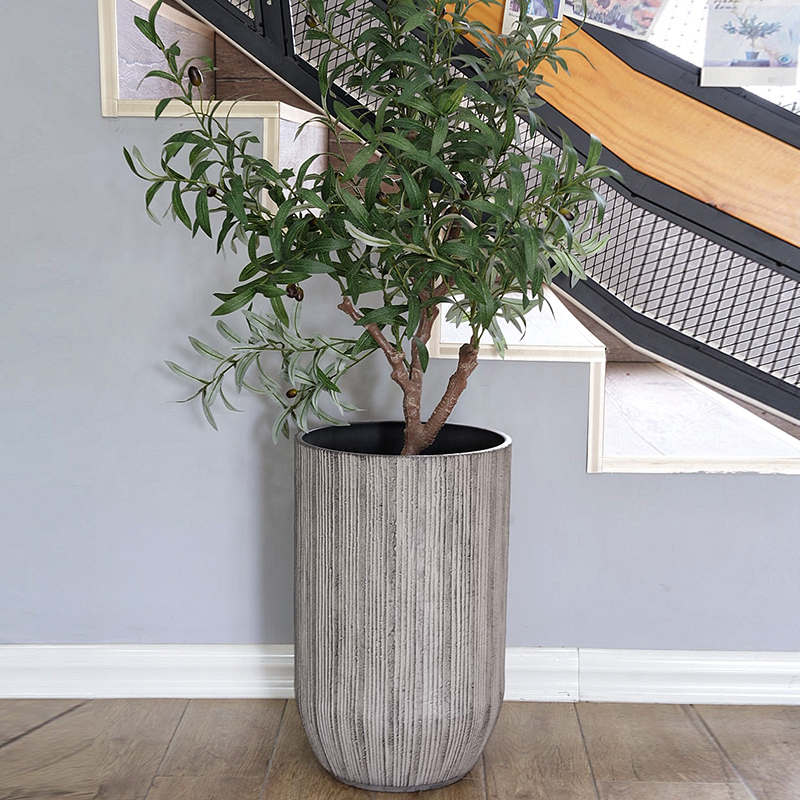
Manufacturing processes directly dictate the aesthetic quality and longevity of faux-stone plastics. Injection molding creates precise, lightweight containers rapidly, but rotational molding produces thicker, heavy-duty walls ideal for high-traffic walkways. Rotational molding creates seamless, stress-free parts that withstand significant physical impacts from lawnmowers or foot traffic. Pre-finished options like marble-effect decorative flower pots deliver high-end visuals instantly, bridging the gap between natural stone aesthetics and modern polymer convenience.
Molded-in colors offer unmatched aesthetic longevity compared to painted alternatives. In premium faux-stone plastics, the color and texture run through the entire thickness of the material wall. If a weed trimmer grazes the side of the pot, the resulting scratch remains nearly invisible because the interior plastic matches the exterior. Painted surfaces inevitably chip, peel, and require constant touch-ups. Molded faux-stone finishes provide the exact visual weight of quarried rock without the maintenance headaches associated with surface-level coatings.
Curved walkways require specific container shapes to maintain architectural harmony. Standard square boxes look awkward and aggressive against winding, organic paths. Using arc-edge planters for garden paths solves this geometric clash perfectly. These modular shapes hug the curves of your walkway, facilitating smooth corner transitions. They allow you to build continuous planting borders that follow the exact radius of your hardscape without requiring custom-poured concrete retaining walls.
Half-moon or arc-edge designs offer incredible spatial efficiency in narrow walkway scenarios. Because the flat side sits flush against walls, fences, or path borders, you maximize the internal planting volume without encroaching on the walkable surface area. This flush fit prevents debris, dead leaves, and trash from accumulating behind the pots. It creates a clean, built-in look that elevates the perceived value of the landscape design, making freestanding pots look like permanent architectural fixtures rather than temporary additions.
Creating intentional visual focal points requires pairing vibrant, colorful plastic containers with neutral path materials. Gray pea gravel, brushed concrete, or dark brown mulch provide the perfect subdued backdrop. This contrast allows the container to pop visually. If your path features busy, multi-colored pavers, opt for solid, muted container colors like charcoal or slate to ground the design. Visual harmony relies on balancing the visual weight of the container with the texture of the surrounding ground cover.
Matching the pot's decorative finish with appropriate plant textures elevates the entire installation. Consider these specific pairings for maximum impact:
Pair sleek, modern marble-effect finishes with architectural, spiky plants like Japanese Blood Grass, Agave, or Snake Plants to emphasize clean lines.
Combine rustic, textured faux-stone pots with soft, trailing plants like Creeping Jenny, Sweet Potato Vine, or English Ivy to soften the hardscape.
Use dark charcoal or black arc-edge planters to highlight bright, chartreuse foliage like Coral Bells (Heuchera) or Hakone Grass.
Match terracotta-colored polymers with drought-tolerant Mediterranean herbs like Lavender and Rosemary for a classic estate look.
Upgrading standard plastic pots works for specific, small-scale projects. Beginner-friendly embellishments include adhering river stones or glass pebbles to the exterior using marine-grade epoxy. Wrapping containers tightly with weather-resistant jute twine adds immediate rustic charm for cottage-style gardens. Using basic plastic pots as internal molds for cement-bag casting remains a trendy DIY technique. You pour concrete into a larger mold and press the plastic pot into the center to create a heavy, stone-faced planter.
However, you must strictly weigh the labor and material costs of these DIY methods. Purchasing premium pre-finished faux-stone options often costs less than buying bags of cement, mixing tools, release agents, and spending entire weekends casting molds. Painting plastic requires rigorous chemical bonding protocols. You cannot simply spray standard paint onto smooth plastic. If you choose to paint, you must follow these exact steps:
Scuff-sand the entire exterior surface with 220-grit sandpaper to create a mechanical profile for the paint to grip.
Wash the container thoroughly with TSP (Trisodium Phosphate) to strip away manufacturing oils and silicone mold releases.
Apply a specialized plastic adhesion promoter or bonding primer and allow it to flash off completely.
Apply two to three thin coats of 100% acrylic exterior enamel, sanding lightly between coats.
Without these steps, exterior paint peels within weeks. For large-scale path lining demanding uniformity, buying premium pre-finished pots guarantees exact color matching and saves dozens of labor hours.
Calculating optimal spacing requires looking past the current size of your plants and focusing on mature plant spread. A small hosta planted in spring will expand significantly by mid-summer. Space your pots far enough apart to avoid path encroachment as the foliage matures. If plants overgrow the walkway, pedestrians will inevitably brush against them, snapping stems and damaging the foliage. Position containers at least three feet apart for upright plants, and up to five feet apart for wide-spreading varieties to maintain a clean, navigable corridor.
Plant Growth Habit | Recommended Pot Spacing (On-Center) | Ideal Container Shape |
|---|---|---|
Upright / Architectural (e.g., Tall Grasses) | 36 to 48 inches | Tall, tapered square or round |
Mounding / Bushy (e.g., Hostas, Ferns) | 48 to 60 inches | Wide, shallow bowls |
Trailing / Cascading (e.g., Ivy, Vines) | 40 to 50 inches | Tall urns or elevated pedestals |
Dense Hedges (e.g., Boxwood) | 24 to 30 inches | Rectangular troughs or arc-edge |
Plastic does not wick moisture away from the soil like porous terracotta. You must actively manage water retention. Factory-drilled drainage holes are often insufficient for heavy rainfall. Drill additional half-inch drainage holes in the bottom of the container. Elevate the pots slightly using hidden pot feet or small stones to ensure water escapes freely from beneath the base. Stagnant water causes root rot rapidly in plastic containers. Ensure the soil volume matches the root system requirements. Deep-rooted plants need tall, voluminous containers to thrive along hot pavement, as small soil volumes dry out and overheat too quickly.
Low empty weight remains the primary functional flaw of plastic containers. High winds easily tip over top-heavy, unweighted containers, spilling soil and destroying delicate plants across your clean walkway. You must actively manage this risk before adding a single plant. Add a dense bottom layer of heavy river rock, coarse gravel, or broken bricks before adding your potting mix. A good rule of thumb is adding one pound of stone ballast for every gallon of container volume. This lowers the center of gravity significantly, anchoring the pot firmly against strong gusts.
Utilize heavy loam soil mixtures rather than ultra-light, peat-based mediums if your path sits in a wind tunnel. For extreme wind corridors or commercial properties, utilize mechanical anchoring. Drive a piece of rebar or a hidden ground stake deep into the soil beneath the path border, leaving a few inches exposed. Drill a central hole in the bottom of your plastic pot and slide the pot directly over the stake. This invisible anchor technique guarantees the pot will never tip over, regardless of the weather conditions or the height of the mature plants.
Keeping decorative finishes looking premium requires minimal, but specific, effort. Never use abrasive cleaners, scouring pads, or stiff wire brushes on polymer surfaces. These tools scratch plastic permanently, dulling the factory finish and creating microscopic grooves where dirt and algae will accumulate. Use mild dish soap, warm water, and a soft microfiber cloth for routine seasonal cleaning. This gentle approach removes surface dust and pollen without degrading the UV-protective layer.
Exterior plastics inevitably develop hard water stains from sprinkler systems and green algae growth on shaded paths. Remove white calcium deposits safely using a diluted white vinegar solution. Spray the vinegar, let it sit for ten minutes to break down the minerals, and wipe it away. Scrub algae gently with a soft nylon brush. Rinse the containers thoroughly with a garden hose to restore the original factory finish. Consistent, gentle maintenance prevents permanent discoloration and extends the visual lifespan of the installation.
Evaluating the recyclability of different planter materials helps minimize your environmental footprint. Polypropylene (PP, Type 5) and High-Density Polyethylene (HDPE, Type 2) are highly recyclable materials accepted by most municipal facilities. Always check the resin identification code stamped on the bottom of the container before disposal. Upcycling heavy-duty household plastics into outdoor garden planters promotes sustainable living and reduces landscaping budgets effectively, though it often sacrifices the uniform aesthetic required for formal path lining.
Consider the broader environmental impact of your material choices. Manufacturing plastic carries a distinct carbon footprint. However, shipping heavy concrete or ceramic planters across the country generates massive transportation emissions due to their extreme weight. Lightweight plastics require significantly less fuel to transport from the factory to the distributor, and finally to your home. When factoring in logistics, fuel consumption, and the extended lifespan of UV-treated polymers, premium plastic often represents a lower overall carbon footprint than imported, heavy masonry.
Measure your garden path length and calculate the exact number of containers needed using a 36-inch to 60-inch on-center spacing rule based on mature plant spread.
Drill three to five additional half-inch drainage holes in the bottom of each container to prevent waterlogging during heavy rain events.
Place two inches of washed river rock or gravel at the base of every pot before adding soil to anchor them against high winds.
Select a high-density potting mix tailored for outdoor containers to ensure adequate moisture retention through the summer months.
A: Premium UV-treated high-density plastic pots easily last five to ten years outdoors without structural failure. Untreated cheap nursery plastics become brittle, fade, and crack within one to two seasons of direct sun exposure. Always check the manufacturer specifications for UV inhibitors before buying.
A: Yes. Flexible plastics handle freeze-thaw cycles much better than porous ceramic or concrete. However, saturated soil expansion can still cause warping. Ensure perfect drainage by elevating the pots slightly to prevent ice from expanding and splitting the base.
A: Add one to two inches of heavy river gravel or broken brick at the base before adding potting soil. This lowers the center of gravity. For windy corridors, select wider, lower-profile pot designs rather than tall, tapered urns.
A: UV resistance depends entirely on the manufacturer. Molded-in resin patterns, where the color runs through the plastic, resist fading exceptionally well. Surface-printed or painted faux-marble finishes degrade and peel much faster under direct sunlight.
A: Their curved backs allow them to sit completely flush against winding path borders or circular patios. This creates a seamless, built-in architectural look without the high cost and permanence of custom poured-in-place masonry walls.
A: Use 100% acrylic exterior paints or specialized plastic-bonding spray paints. You must perform mandatory prep work: scuff-sand the surface with 220-grit paper and clean it thoroughly with TSP to ensure the paint adheres outdoors.
A: Skip the prep-heavy painting process. Instead, use simple, low-mess techniques like wrapping the pot tightly in outdoor-grade jute twine, applying waterproof decoupage, or using marine epoxy to attach decorative glass pebbles or river stones directly to the plastic.


