


Views: 0 Author: Site Editor Publish Time: 2026-10-12 Origin: Site


Plant owners crave ultimate convenience. Vacations and busy schedules often clash against the strict needs of our indoor jungles. You want peace of mind, but the deep fear of root rot or chronic overwatering constantly lingers. Navigating the flooded market of automated plant care tools can feel overwhelming. Brands promise effortless gardening. Yet, many users still experience wilting or dying houseplants shortly after repotting. It becomes difficult separating genuine horticultural benefits from clever marketing hype. We will strip away the fluff to examine how these bottom-watering systems truly function. You will discover exactly which plant species thrive inside them and which ones suffer. By the end, you can confidently decide if upgrading your pots makes practical sense. Ultimately, self-watering setups are highly effective. However, they are not universally suitable for all plant species or environments.
Self-watering systems excel at providing consistent moisture for tropicals and moisture-loving plants.
They are not truly "set it and forget it"; initial top-watering and periodic soil flushing are mandatory for long-term plant health.
A well-designed self-watering planter with water reservoir must include an overflow mechanism and a reliable gauge to prevent waterlogging.
Succulents, cacti, and certain epiphytes face high mortality rates in these planters due to constant soil saturation.
Let us start by understanding the basic science. Soil draws moisture upward against gravity. We call this biological process capillary action. It is not a mechanical feature. Microscopic air pockets in the soil act like tiny straws. They pull liquid from the bottom reservoir up into the root zone. The plant drinks exactly what it needs. Standard pots rely on top-watering. Water rushes past the roots and exits quickly. Sub-irrigation changes this dynamic entirely. The potting mix absorbs hydration slowly. It maintains an even, sponge-like dampness. This mimics how groundwater sustains flora in nature. Understanding this biological principle is crucial. It dictates exactly how we must manage our indoor gardens.
Not all sub-irrigated designs are identical. A Capillary Wick Self-Watering Planter uses fabric cords. These absorbent cords bridge the gap between the water basin and the soil. Wick-based systems offer better soil aeration. They pull moisture at a much slower rate. This protects delicate root systems from suffocation. Conversely, direct-contact systems function quite differently. The potting mix sits directly inside a sub-irrigated channel. These designs create much faster wicking. They lead to higher overall soil saturation. Direct contact works incredibly well for thirsty vegetables. However, it can easily overwhelm standard houseplants. You must evaluate the system type before repotting your favorite specimens.
Many users expect instant results. This leads directly to the "immediate failure" myth. You cannot just pot a new plant and fill the reservoir. New plants require a vital transition phase. Their root systems are often shallow. They cannot reach the deep moisture zone immediately. You must follow these specific steps for success:
Pot the plant in appropriate, well-aerated soil.
Water the soil surface normally from the top.
Leave the bottom reservoir completely empty.
Continue top-watering for two to six weeks.
Check root depth gently before filling the bottom basin.
This process encourages roots to grow downward. Once the roots reach the damp lower soil, the system takes over. Skipping this step starves the plant. The roots will simply dry out while the reservoir remains full. Patience during this implementation reality guarantees long-term success.
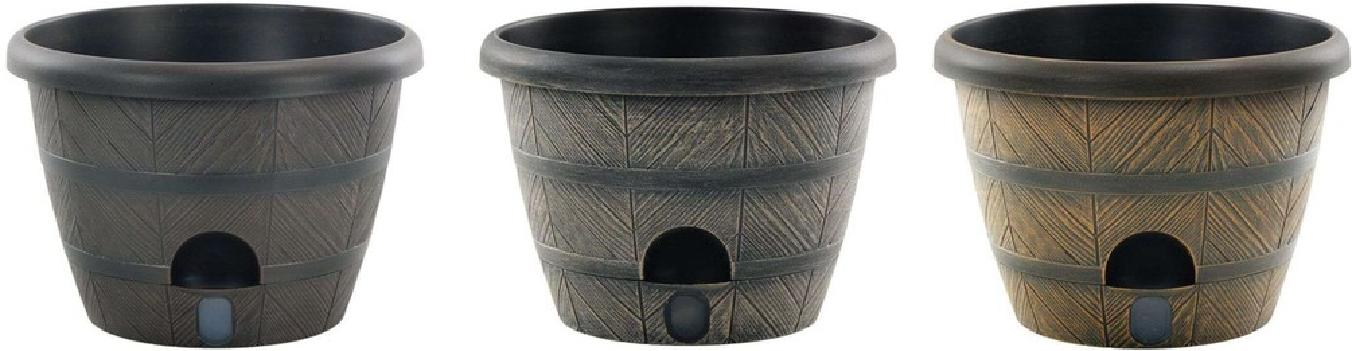
Self-watering planters solve a major human error. They eliminate the classic "feast or famine" watering cycle. Many gardeners accidentally let plants dry out completely. Then, they overcompensate by flooding the soil. This erratic behavior creates severe drought stress. Sensitive species like calatheas, ferns, and alocasias suffer greatly. A steady moisture supply changes everything. The roots experience zero shock. They enjoy a constant, reliable drinking source. Leaves remain crisp and vibrant. Brown, crispy edges become a problem of the past. Consistency remains the ultimate secret to growing thriving tropicals.
Traditional watering has a hidden downside. Heavy top-watering sessions wash essential nutrients away. Every time liquid pours out the drainage hole, fertilizer goes with it. Bottom-watering prevents this wasteful runoff. The soil retains valuable minerals. The plant absorbs plant food more efficiently. This creates a closed-loop nourishment cycle. Your expensive fertilizers stay exactly where they belong. The root zone maintains a stable chemical balance. Improved nutrient retention leads to vigorous growth. You will notice larger leaves and stronger stems.
Modern life pulls us in many directions. Plant care often falls down our priority lists. These containers allow for extended autonomy. You can leave them alone for one to three weeks. The exact timeframe depends on reservoir size and plant type. Thirsty tomatoes drain supplies quickly. A small fern sips liquid slowly. This makes them a legitimate solution for frequent travelers. You no longer need to hire plant sitters. You can take a summer vacation without anxiety. Returning home to dead greenery becomes highly unlikely.
Fungus gnats plague many indoor gardens. These annoying insects lay eggs in damp topsoil. Bottom-watering interrupts their lifecycle entirely. The top inch of the soil remains completely dry. Gnats cannot breed in arid surface conditions. Keeping the surface dry significantly curtails infestations. You eliminate the problem without harsh chemical sprays. It is a natural pest control method. A dry surface also provides these benefits:
Stops surface mold spores from germinating.
Reduces unpleasant musty soil odors.
Keeps decorative top dressings clean and pristine.
Prevents stem rot near the soil line.
Constant moisture carries inherent dangers. It drastically reduces oxygen levels in dense soils. Roots need air just as much as they need water. Anaerobic conditions invite harmful bacteria and fungi. This leads directly to rapid root rot. You must offset this significant vulnerability. Never use standard potting soil straight from the bag. It compacts too easily. You must amend the mixture heavily. Add extra perlite, pumice, or chunky orchid bark. These amendments create essential air pockets. They allow roots to breathe while staying hydrated. Proper soil structure is non-negotiable here.
Moisture travels upwards in these containers. Water eventually evaporates from the top layer. This process draws fertilizer salts upward. The salts become trapped near the soil surface. Over time, this crusty buildup damages the plant. It burns delicate stem tissues and sensitive surface roots. You must perform regular maintenance to combat this. Top-flushing the soil every few months is a mandatory requirement. Run fresh, clean water heavily through the top layer. Let it drain completely out of the reservoir. This washes away all accumulated toxic salts.
Taking these pots outside introduces new variables. Heavy rainfall poses a massive threat. A sudden storm can flood the reservoir quickly. If the pot lacks a functioning overflow valve, disaster strikes. The rising water drowns the root system. The plant suffocates in stagnant rainwater. You must monitor outdoor setups closely. Always drain excess liquid after severe weather. Drilling extra weep holes might be necessary. Never trust a completely sealed container entirely exposed to the elements.
Stagnant pools invite unwanted guests. Transparent reservoirs allow sunlight to hit the water. This triggers rapid algae growth. Algae creates slimy, foul-smelling conditions. It steals oxygen directly from the liquid. Exposed water channels also attract mosquitoes. They use the standing pools as easy breeding grounds. This remains particularly risky in outdoor or high-light indoor setups. Choose opaque containers to block sunlight. Ensure the refill spout has a tight-fitting cover. Simple preventative measures keep the ecosystem hygienic.
Certain species absolutely thrive in sub-irrigated setups. Moisture-loving tropicals are the best candidates. Think of Peace Lilies, Ferns, Calatheas, African Violets, and Coleus. They absolutely despise drying out. Thirsty vegetables also perform exceptionally well. Tomatoes, Peppers, and various Herbs drink rapidly. They empty the basin long before rot can set in. These plants show vigorous growth when their hydration stays constant. You will see higher yields and lush foliage.
Some popular houseplants walk a fine line. Monsteras, Philodendrons, and Pothos fall into this category. They can survive, but they require strict modifications. Standard mixes will quickly suffocate them. They demand highly aerated, chunky soil blends. You must mix in copious amounts of bark and large perlite. This ensures they survive the constant wicking without rotting. Monitor their leaves closely for any yellowing. Yellow leaves indicate they are drawing up too much liquid.
Never place desert species in these containers. Cacti, succulents, ZZ plants, and snake plants face exceptionally high mortality rates. There is a clear botanical reason for this. Their roots are evolutionarily adapted to severe drought. They store liquid internally. Continuous moisture causes them to decay rapidly. Their root structures literally turn to mush. Keep these specific varieties in unglazed terracotta. Water them only when the soil feels completely bone dry.
Plant Category | Common Examples | Success Rate | Required Soil Modification |
|---|---|---|---|
Moisture-Loving Tropicals | Ferns, Calatheas, Peace Lilies | High | Standard mix with 20% perlite. |
Heavy-Drinking Vegetables | Tomatoes, Peppers, Basil | High | Standard nutrient-rich potting soil. |
Aroids & Epiphytes | Monsteras, Pothos, Philodendrons | Medium | Chunky mix (50% bark/perlite, 50% soil). |
Desert Natives | Cacti, Succulents, Snake Plants | Low | Avoid completely. Use terracotta pots. |
Always evaluate the necessity of a physical float gauge. A Self-Watering Planter with Water Level Indicator takes the guesswork entirely out of maintenance. Blind reservoirs lead directly to chronic overfilling. You cannot see how much liquid sits at the bottom. Guessing creates dangerous anaerobic root conditions. A floating gauge tells you exactly when to stop pouring. It drops visibly when the basin empties. This simple mechanical tool prevents catastrophic watering mistakes. It is an indispensable feature for larger, heavier setups.
Outdoor usage demands specific safety features. An overflow drainage hole is absolutely non-negotiable. It acts as an emergency escape route for excess liquid. Check carefully if the overflow plug is removable. Many decorative pots come with a sealed rubber stopper. You must pull this stopper out before placing the pot on a patio. If you forget, the first heavy rain will drown your flora. Indoors, keep the plug securely fastened to protect your hardwood floors.
Container material dictates moisture retention capabilities. Compare non-porous plastics against traditional clay. Plastic and fiberglass retain moisture much longer. They are the standard for sub-irrigated designs. They keep the internal humidity highly stable. Conversely, unglazed terracotta or ceramic allows robust air exchange. It breathes well. However, porous clay completely defeats the purpose of the water-saving reservoir. It evaporates liquid through the walls too quickly. Stick to high-quality plastics or fully glazed ceramics for optimal efficiency.
Structural integrity is a hidden but crucial factor. Check the aeration screen or the false bottom closely. A Self-Watering Planter with Water Reservoir must separate soil and liquid effectively. The barrier must strongly support heavy, wet soil. It cannot sag or collapse into the water below. If it fails, the dirt plunges straight into the basin. This creates a muddy, rotting mess. Look for sturdy plastic pillars or reinforced grids. Strong separation guarantees the capillary action works precisely as intended.
Self-watering planters represent a strategic investment in environmental consistency. They are never an excuse to ignore your plants entirely. You must still actively monitor soil health, pest activity, and foliage growth. Buy these systems if you struggle deeply with underwatering or travel frequently. Avoid them if you primarily grow desert-adapted plants. Also, avoid them if you are unwilling to amend standard potting soil for better aeration.
Take action today to improve your indoor gardening routine:
Audit your current plant collection for moisture preferences.
Match the specific plant species to the appropriate planter type.
Purchase chunky soil amendments like coarse perlite and orchid bark.
Monitor all newly repotted plants closely during the initial transition month.
Schedule a calendar reminder to top-flush the soil every three months.
A: The frequency depends entirely on plant size, ambient temperature, and reservoir capacity. Most systems require refilling every one to four weeks. Thirsty vegetables in direct summer sun may need weekly refills, while indoor ferns in winter might stretch to a month.
A: Yes, you can add liquid fertilizer to the reservoir. However, you must use it at a diluted quarter-strength. Full-strength fertilizers evaporate and leave heavy salt accumulations that burn delicate root tips over time.
A: Your plant is likely experiencing the root establishment phase. The roots have not grown deep enough to reach the moisture zone yet. You must continue top-watering for several weeks until the root system develops downward.
A: They only attract mosquitoes if the water reservoir is left completely exposed outdoors. Enclosed systems with tight-fitting water channels and opaque walls effectively mitigate this risk by blocking access to standing liquid.


