


Views: 0 Author: Site Editor Publish Time: 2026-10-13 Origin: Site


Every plant vessel serves a critical dual purpose. It must support biological plant health while simultaneously anchoring interior or exterior design schemes. Unfortunately, many buyers experience a common failure point. They purchase a container based purely on aesthetics. They forget to evaluate the internal diameter, root architecture, or moisture retention ratios. This oversight inevitably leads to declining plant health. Roots suffocate, soil stays soggy, or the entire arrangement looks visually unbalanced in your room. Our objective is to change how you approach this decision entirely. We will provide an evidence-based framework for evaluating, shortlisting, and properly sizing planters. You will learn to prevent root rot, avoid plant stunting, and eliminate costly design missteps. Following these core principles ensures your greenery thrives below the soil while looking spectacular above it. You can confidently select vessels balancing form and function perfectly.
Always measure a planter by its internal diameter, not its exterior bulk, allowing a 1-to-2-inch buffer for tabletop plants and a 2-to-4-inch buffer for floor plants.
Matching root depth to planter shape is as critical as width; deep root systems require vertical space, while shallow roots in deep pots risk waterlogging.
Utilizing the "drop-in" (cachepot) method requires sizing up the decorative vessel by at least 1 inch to ensure proper airflow and easy removal.
Large statement vessels must be evaluated for weight scalability, spatial proportion, and structural integrity when filled with wet soil.
Excess soil volume correlates directly to dangerous root rot. This defines the oversizing trap clearly. If a pot is too large, it holds moisture much longer. A small root system cannot absorb this water fast enough to dry the soil. Consequently, this leads to hypoxic soil conditions. Roots need a steady supply of oxygen to survive. Without adequate aeration, they quickly decay and die. When moisture remains trapped, it displaces essential air pockets within the soil structure. These air pockets are vital for gas exchange. Without them, anaerobic bacteria multiply rapidly. This bacterial bloom creates a foul, swampy odor. The plant roots turn brown and mushy. Rescuing a plant from advanced root rot requires extensive pruning and complete soil replacement. You must match the container volume to the current root mass accurately.
Insufficient volume creates an entirely different set of severe problems. We call this the undersizing trap. It severely restricts vital nutrient uptake. The limited soil mass causes rapid drying after every watering session. You will find yourself watering constantly just to keep the foliage alive. The plant essentially starves in a miniature desert. Furthermore, tight quarters lead to dangerous structural instability. Top-heavy plants will easily tip over if their base lacks sufficient anchor weight. A falling plant damages floors, ruins carpets, and breaks expensive containers.
We also must consider catastrophic visual failures. Mismatching plant canopy width and room scale creates awkward environments. A tiny fern placed in a massive corner pot looks ridiculous. It gets lost visually. Conversely, a towering palm squeezing into a tiny pot feels constrained and cheap. You want balanced focal points across residential or commercial spaces. Think of a plant vessel as a tailored suit. If the fit is wrong, the entire presentation fails. Interior designers frequently utilize spatial scaling techniques. The vessel must frame the plant without overpowering it. Achieving this balance elevates the entire aesthetic profile of your space. Poor scaling creates visual friction constantly.
How much bigger should you go during repotting? Use the two-inch rule for standard tabletop plants. If you are repotting plants currently existing in ten-inch pots or smaller, proceed carefully. You should increase the diameter by one to two inches only. This baseline metric prevents overwhelming the plant. It provides just enough fresh soil for new growth. Roots expand naturally without swimming in excess moisture.
Larger floor foliage requires a distinctly different transition logic. Apply the four-inch rule for heavy floor plants. Any greenery housed in twelve-inch nursery pots or larger needs substantially more room. You should implement a two-to-four-inch diameter increase. This supports mature root expansion over an extended timeline. Massive roots consume space quickly. Giving them a slightly larger buffer reduces the frequency of future repotting sessions.
Staging spaces often requires grouping multiple plants together. Using a Multi-Size Decorative Planter set maintains a cohesive design language. Nested sets visually unify a living room or patio. They also accommodate plants at various stages of their growth cycle beautifully. You can place a mature Monstera in the largest vessel. A younger Pothos can occupy the smaller matching container. This strategy builds a professional, curated appearance effortlessly. It prevents mismatched aesthetics across your living zones.
Buyers frequently make one critical purchasing error online. They measure the outside bulk of the pot. Always verify the internal dimensions within manufacturer specifications. Thick-walled materials like concrete significantly reduce usable planting space. Double-walled resin acts similarly. A pot measuring fifteen inches externally might only offer twelve inches internally. This discrepancy easily ruins your carefully planned repotting strategy. Pay close attention to these detailed internal specifications.
Planter Scaling Guidelines
Current Nursery Pot Size | Recommended Sizing Increase | Target Buffer Zone Application |
|---|---|---|
Under 10 inches | 1 to 2 inches | Standard Tabletop Room |
12 inches or more | 2 to 4 inches | Mature Floor Plant Expansion |
Drop-in Cachepot | 1 inch minimum clearance | Airflow Gap for Easy Removal |
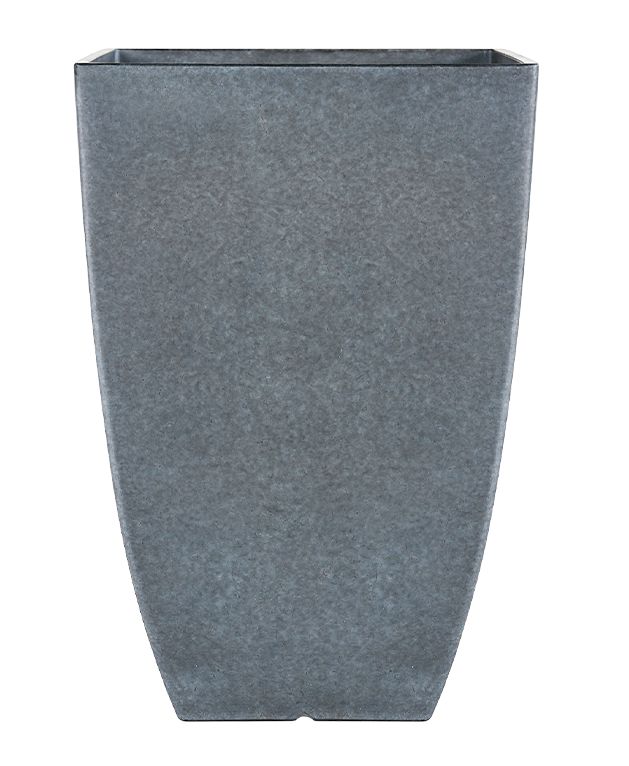
Root architecture varies drastically among different plant species. You must identify plants possessing taproots or deep-reaching root systems. Ficus trees, Dracaena, and Snake Plants represent excellent examples. These specific species require extensive vertical depth over lateral width. Deploying a Tall Round Decorative Planter caters perfectly to their biological demands. The roots plunge downward naturally. This vertical freedom encourages robust, healthy foliage growth above the soil line.
Physical risk arises rapidly when top-heavy foliage tips over. You must actively manage the overall center of gravity. Tall and weighted planters provide vital necessary ballast. The bottom weight anchors towering stems against sudden indoor drafts. It protects them from accidental bumps by children or pets. If your chosen vessel feels too light, you can add heavy river rocks to the very bottom. This simple trick drastically improves foundational stability immediately.
A pervasive gardening myth involves putting gravel at the bottom for drainage. Do not do this ever. Gravel creates a dangerous perched water table. It forces stagnant water closer to delicate roots. Instead, understand how a deep planter affects capillary action. You should rely on proper soil amendments. Mix in chunky perlite, pumice, or horticultural orchid bark. These materials maintain crucial oxygen flow directly within the lower third of the vessel. They allow water to drain freely without trapping moisture. This maintains ideal biological balance deeply within the container.
Sometimes you want to skip messy repotting entirely. The "drop-in" or cachepot method works wonderfully in these scenarios. It requires exact clearance requirements to succeed. You must size up the decorative vessel by at least one inch. This specific gap guarantees proper airflow around the internal nursery pot. It prevents unwanted mold growth. It also ensures you can easily extract the nursery pot for weekly watering. A tight fit creates a vacuum effect. You will struggle to pull the plant out when needed.
You need clear visual evaluation criteria for interior spaces. A Large Decorative Planter should ideally represent one-third of the total composition height. Combine the plant and pot heights together to check this specific ratio. Furthermore, the pot diameter should visually balance the widest canopy point. This mathematical approach guarantees stunning symmetry. Architects and designers rely on this rule constantly. It prevents the vessel from visually swallowing the plant. It creates an impactful, museum-quality display in your home or office lobby.
Address commercial and large residential considerations carefully. Evaluate the final weight of the container when fully saturated. Wet soil becomes incredibly heavy very quickly. Verify your residential floor load limits before placing giant concrete pots indoors. Large installations often require structural planning. You might need hidden heavy-duty casters for routine mobility. Alternatively, opt for lightweight fiberglass equivalents. High-quality fiberglass mimics heavy stone perfectly. It minimizes structural strain while preserving the grand aesthetic vision intact.
Proportion Planning Matrix
Total Plant Height | Recommended Pot Height | Ideal Visual Ratio | Canopy Balance Strategy |
|---|---|---|---|
24 inches | 12 inches | 1/3 Pot : 2/3 Plant | Match Pot Width to Canopy |
48 inches | 24 inches | 1/3 Pot : 2/3 Plant | Match Pot Width to Canopy |
72 inches | 36 inches | 1/3 Pot : 2/3 Plant | Match Pot Width to Canopy |
Before finalizing any purchase, evaluate your options systematically. Drainage configurations matter immensely for long-term survival. Establish specific criteria for selecting a Decorative Planter safely. Material and drainage considerations require strict attention.
Choose pre-drilled planters for direct outdoor or patio use.
Select sealed or waterproof planters specifically for indoor cachepot use.
Match material porosity carefully to your specific plant variety.
Remember porous terracotta requires frequent watering routines.
Understand sealed fiberglass retains moisture much longer.
Verify UV resistance ratings if placing the vessel in direct sunlight.
Taking action requires precise measurement. Guessing sizes usually results in tedious returns. Here are your final action steps before checking out online or at the garden center:
Measure your current plant nursery pot diameter precisely using a flexible tape measure.
Measure the total height from the soil line to the absolute bottom edge.
Determine if you prefer direct planting or the cleaner drop-in cachepot method.
Apply the exact scaling rules based on your newly chosen method.
Verify the internal specifications of your new vessel against your initial measurements.
Double-check the total weight capacity if buying a massive statement piece.
Let us summarize the crucial decision-making sequence. First, assess the current root size and growth habits of your greenery. Next, determine your preferred planting method logically. Decide between direct potting and the seamless drop-in approach. Apply the appropriate scaling rule carefully to ensure biological health. Finally, always verify the internal dimensions before making a purchase. Securing the right planter size reduces daily maintenance overhead significantly. It actively protects your financial investment in the expensive plant itself. Most importantly, it maximizes the overall aesthetic value of your living or working space effortlessly.
A: No, this is highly discouraged. Placing a small plant into an oversized container creates an immediate risk of soil waterlogging. The vast volume of soil holds moisture far longer than small roots can absorb it, quickly causing root rot. If you desire a large aesthetic for a small plant, use the cachepot workaround. Simply place the small nursery pot inside the large vessel on a stable riser.
A: Yes, depth matters equally. Root type directly dictates depth requirements. Plants featuring deep taproots thrive in taller vessels. Conversely, placing a shallow-rooted plant into a highly deep pot invites trouble. The excess depth causes bottom-soil stagnation. Water pools where roots cannot reach, creating an anaerobic environment that eventually poisons the entire soil profile.
A: When dealing with tapered designs, start by measuring the top opening. This internal top diameter determines your insertion size and whether a nursery pot will fit. Next, evaluate the base width. A narrow base affects both physical stability and total soil volume. Ensure the base provides enough footprint to prevent top-heavy plants from tipping over.


