


Views: 0 Author: Site Editor Publish Time: 2026-01-13 Origin: Site


When it comes to plant care, one of the most important factors that often gets overlooked is the size of the pot. Choosing the right grower pot size for your plant is crucial for its overall health and growth. Too small a pot can stunt growth and make it difficult for the plant to establish healthy roots, while too large a pot can lead to water retention issues and root rot. It’s essential to find the right balance to ensure your plant thrives.
At Yangzhou City Zhonghuan Hi-tech Plastic Co., Ltd., we understand the importance of choosing the right pot for each plant's needs. As a leading manufacturer of high-quality grower pots, we are committed to providing products that support healthy plant growth. In this article, we’ll guide you through the process of selecting the perfect grower pot for your plants, covering everything from pot size to material considerations.
Whether you are a beginner plant enthusiast or an experienced gardener, understanding how to choose the right pot for your plant is an essential step in promoting its vitality and ensuring it grows to its full potential.
Choosing the right pot size is crucial for ensuring the healthy growth and development of your plants. The pot serves as the environment where your plant’s roots will grow, and selecting an appropriate size ensures that the plant has enough space to thrive. Here are several key reasons why pot size is so important for your plant’s well-being:
Roots are essential for a plant’s nutrient and water absorption, and their health depends on the space they have to grow. A pot that is too small will restrict root development, causing the roots to become cramped and potentially stunted. This can prevent the plant from accessing the nutrients and water it needs, resulting in poor growth. Conversely, a pot that is too large can lead to excessive moisture retention in the soil, which can cause the roots to rot. The ideal pot size provides ample space for the roots to grow while maintaining proper drainage to prevent waterlogging.
A pot that is the right size allows for optimal watering and drainage. If the pot is too large, it can hold more water than the plant requires, leading to soggy soil and increased risk of root rot. On the other hand, a pot that is too small may not allow enough water to reach the roots, causing the plant to dry out too quickly. Proper drainage ensures that excess water flows out of the pot, preventing water stagnation and allowing the roots to access just the right amount of moisture.
The right-sized pot also provides stability for the plant as it grows. A small pot may not offer adequate support for larger plants, causing them to become top-heavy and prone to tipping over. A properly sized pot ensures that the plant has a stable foundation, allowing it to grow tall and strong without the risk of toppling.
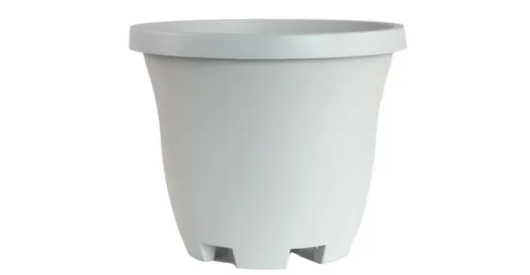
When selecting the right pot for your plant, there are several factors to consider. Here’s a step-by-step guide to help you make the best choice:
The first step in choosing the right pot size is to consider how big your plant will get. Larger plants with fast growth rates need larger pots to allow their root systems to spread out. Smaller plants or slow-growing varieties will do fine in smaller pots.
Small Plants: A small plant, like a succulent or herb, will need a small grower pot. Typically, a 3 to 6-inch pot is ideal for these plants.
Medium Plants: Plants like tomatoes or small flowering plants typically need 8 to 12-inch pots.
Large Plants: For large indoor trees or shrubs, choose pots that are at least 14 inches or larger, depending on the root system.
When repotting, choose a pot that is only slightly larger than the current one. A pot that’s too large can cause the plant to focus on growing roots instead of foliage. A good rule of thumb is to choose a pot that is about 1-2 inches larger in diameter than the current pot. This will give the roots enough space to grow without causing overwatering issues.
Proper drainage is critical to the health of your plant. Look for pots with drainage holes to prevent water from accumulating at the bottom, which can lead to root rot. Additionally, consider the material of the pot:
Plastic Pots: Lightweight and affordable, plastic pots are commonly used for grower pots. They retain moisture well and are available in a variety of sizes.
Clay or Terracotta Pots: These pots are heavier and more porous, allowing for better airflow but may dry out faster.
Fabric Pots: These are becoming increasingly popular because they allow for better root pruning and air circulation. They are particularly good for plants that require fast drainage and are known to promote healthy root systems.
The type of root system your plant has will also determine the size of the pot it needs. If your plant has a shallow root system, such as many flowers, a wide, shallow pot is a good choice. For deep-rooted plants, a taller pot will allow the roots to grow downwards.
Different plants have different root needs, so it’s important to choose the pot that best suits your plant's growth habits. Here’s a breakdown of the best pot sizes for some common types of plants:
Plant Type | Recommended Pot Size | Description |
Succulents and Cacti | 3-6 inches | Shallow pots with good drainage to prevent overwatering. |
Herbs | 4-8 inches | Shallow, wide pots for easy root spread and good airflow. |
Small Flowering Plants | 6-10 inches | Moderate-sized pots to allow for moderate root growth. |
Vegetables (e.g., tomatoes) | 8-12 inches | Deeper pots for strong root growth and stability. |
Indoor Trees | 14+ inches | Large, deep pots to support heavy root systems. |
Repotting is an important part of plant care. Here’s how to do it correctly:
Choose the Right Pot: Select a pot that is only 1-2 inches larger than the current one.
Prepare the Pot: Ensure that the new pot has drainage holes and is cleaned of any debris.
Remove the Plant: Gently remove the plant from its old pot, taking care not to damage the roots.
Place in New Pot: Place the plant in the new pot and fill in the surrounding space with fresh, well-draining soil.
Water: After repotting, water the plant thoroughly to settle the soil and help the roots adjust.
Choosing the right grower pot for your plants is essential to ensure they grow healthy and strong. By considering factors like the plant’s size, growth rate, root system, and the pot's material and drainage properties, you can select the ideal pot that will provide the best environment for your plant. Regularly checking if your plants need to be repotted into larger pots will also help maintain their health as they continue to grow.
At Yangzhou City Zhonghuan Hi-tech Plastic Co., Ltd., we specialize in providing high-quality grower pots in a range of sizes and materials. Our products, including bulk supply of grower pots, are designed to support healthy plant growth, and we offer customized production to meet your specific needs. If you are looking for affordable, high-quality pots with ready-on-stock availability, feel free to contact us for more information and expert guidance on choosing the perfect pots for your plants.
For small plants, a pot size of 3-6 inches is ideal, depending on the plant's root system and growth habits. Smaller pots help prevent overwatering while still providing enough room for growth.
Most plants need to be repotted every 1-2 years or when their roots begin to outgrow their current pot. Signs that a plant needs repotting include roots emerging from the drainage holes or slow growth despite regular care.
It's important to choose a pot with proper drainage to prevent waterlogging. Plastic pots, ceramic pots, and fabric pots are all good choices, but ensure the size is appropriate for your plant's root system.
Plastic grower pots are popular for their lightweight nature, cost-effectiveness, and good moisture retention. However, if faster drainage is needed, fabric pots may be a better choice. For traditional aesthetics, ceramic or terracotta pots work well but may need more frequent watering.


