


Views: 0 Author: Site Editor Publish Time: 2026-10-08 Origin: Site


Choosing the perfect container for your landscape goes far beyond finding a matching color palette. It represents a serious structural and financial commitment for any space. Replacing a failed container due to frost-heave, sudden structural collapse, or hidden root-rot wastes valuable time and resources. Such failures create immense labor burdens and disrupt carefully planned environments. To ensure long-lasting success, we must move past surface-level aesthetics. We need to evaluate ceramic, metal, and resin based on structural integrity, environmental suitability, and complex plant biology. This evidence-based breakdown reveals how these three primary materials perform under rigorous, real-world conditions. You will discover practical frameworks to help you shortlist the exact material for your specific residential or commercial project. Let us explore how to build a resilient, beautiful, and enduring botanical display.
Ceramic offers unmatched traditional aesthetics and natural breathability but poses severe weight restrictions and frost-shattering risks in unprotected winter climates.
Metal provides extreme structural durability and modern architectural lines but requires careful root-temperature management due to high thermal conductivity.
Resin acts as the ultimate chameleon; a high-quality lightweight plastic decorative planter can mimic heavier materials while solving load-bearing and weatherproofing challenges.
Decision Driver: Your baseline choice should be dictated by three hard constraints: structural load capacity (e.g., balcony limits), winter freeze-thaw cycles, and mobility requirements.
Before comparing specific materials, you must establish non-negotiable success criteria for your Decorative Planter investment. A beautiful container means nothing if it collapses under its own weight or cooks your plant’s root system. Let us frame the decision around three critical pillars.
You must contrast ground-level concrete patios with weight-restricted balconies, rooftops, or commercial interiors. Shifting heavy soil and solid containers poses severe logistical risks. Wet potting soil weighs approximately 100 pounds per cubic foot. Add a heavy container to this equation, and you quickly approach structural load limits. High-rise developments and commercial rooftops require exact weight calculations to meet safety regulations.
We define weather resistance through three specific environmental threats. You must evaluate how materials handle these forces:
UV Degradation: Sun exposure causes fading, chalking, and structural brittleness over time.
Freeze-Thaw Vulnerability: Water expands when frozen. This expansion causes catastrophic cracking in porous materials.
Moisture Exposure: Constant contact with wet soil and rain accelerates rust, rot, and mineral buildup.
Materials directly dictate the soil ecosystem. Non-porous materials retain moisture longer. They require you to change standard watering schedules to prevent root rot. Conductive materials transfer ambient temperatures directly into the soil. Without intervention, they can bake root systems in summer or freeze them solid in winter.
Classic high-fired ceramics remain the undisputed gold standard for traditional landscapes. From Mediterranean courtyards to elegant indoor commercial lobbies, ceramic brings a timeless authenticity.
Unglazed terracotta and partially glazed ceramics feature microscopic pores. These pores allow the walls to breathe. Air flows into the soil, and excess moisture evaporates through the container sides. This natural breathability heavily benefits drought-tolerant plants, succulents, and citrus trees. It prevents waterlogging and promotes robust, healthy root systems.
Despite their beauty, ceramic containers carry significant operational limitations. You must account for these risks before specifying them for a project.
The Weight Penalty: Ceramic carries a massive baseline weight. Even before adding drainage gravel and wet soil, a large ceramic pot requires multiple people or machinery to move. They become effectively permanent once planted. You will find it exceedingly difficult to rotate them for sun exposure or relocate them during seasonal shifts.
The Freeze-Thaw Threat: Frost damage relies on simple physics. Porous clay absorbs ambient water. When temperatures plummet below freezing, this trapped moisture expands. The outward pressure exceeds the tensile strength of the fired clay. This leads to catastrophic cracking, shattering, and flaking (spalling).
Leaving filled terracotta outdoors during freezing winters without an insulating wrap.
Placing heavy ceramic pots flat on wooden decks, which traps moisture and rots the wood.
Failing to use pot feet to elevate the container and ensure proper drainage.
Verdict: Ceramic works best for permanent, ground-level installations in temperate climates. It also shines in indoor commercial or residential spaces where weight limits do not pose an issue.
When impact resistance and modern aesthetics drive your design, metal enters the conversation. Urban streetscapes, high-traffic public parks, and minimalist patios frequently rely on metallic containers.
Not all metal performs identically. You generally choose between three primary categories:
Corten Steel: Known as weathering steel, it develops a protective rust patina. It looks incredibly striking but can stain underlying concrete if not properly sealed or elevated.
Powder-Coated Aluminum: Completely rust-proof and relatively lightweight. The powder-coated finish resists chipping and fading, making it ideal for sleek, modern applications.
Galvanized Steel: Treated with a zinc coating to resist rust. It offers a rustic, industrial farmhouse aesthetic but may eventually corrode if the coating scratches.
Metal offers structural invulnerability. It will not crack, chip, or shatter under impact. A stray shopping cart or a clumsy pedestrian will not destroy a thick metal container. This resilience makes metal ideal for severe weather zones and public commercial spaces where vandalism or accidental damage remains a concern.
The primary drawback of metal involves its thermal conductivity. Metal transfers heat and cold rapidly. In direct afternoon sun, a dark metal container becomes a literal oven, baking tender root systems and evaporating water instantly. In winter, it provides zero insulation against killing frosts.
You must mitigate this thermal bridge. The most effective solution involves using the metal strictly as a cachepot. Plant your foliage in a plain, slightly smaller plastic nursery pot. Place this pot inside the metal container. The resulting air gap provides vital insulation. Alternatively, line the interior walls of the metal container with commercial-grade foam insulation board before adding soil.
Verdict: Metal proves ideal for modern architectural designs and high-traffic public areas, provided you factor root temperature mitigation into the initial installation.
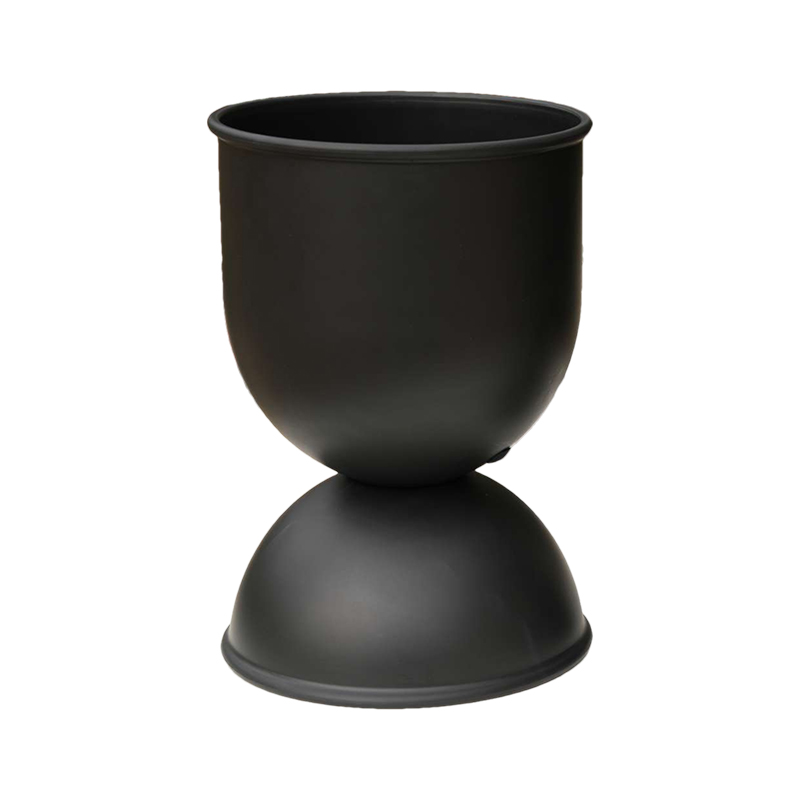
Many designers initially dismiss plastic. However, modern polymer engineering has completely transformed this category. We must differentiate between brittle, big-box-store plastics and professional-grade resin.
Cheap, single-season plastics utilize injection molding and thin polypropylene. They fade within months and shatter during the first winter freeze. Conversely, commercial-grade resin utilizes rotational-molded linear low-density polyethylene (LLDPE). This process creates thick, double-walled construction that withstands extreme environmental abuse.
Advanced molding techniques allow resin to mimic heavier, more expensive materials perfectly. For example, a high-quality Imitation Ceramic Decorative Planter mirrors the glossy glazes and subtle color variations of fired clay. You get the traditional look without the frost-shattering risk.
Similarly, an Imitation Stone Decorative Planter captures the rugged, pitted texture of carved limestone or concrete. Landscape architects use these in formal gardens where the aesthetic demands stone, but the logistics prohibit heavy lifting.
When confronting strict load-bearing limits, a Lightweight Plastic Decorative Planter completely changes your operational capabilities. It drastically reduces initial shipping and freight costs. It simplifies rooftop and high-rise balcony installations. Furthermore, it allows maintenance teams to relocate massive displays seasonally without requiring forklifts or specialized rigging.
We acknowledge the valid skepticism surrounding plastic. Poor-quality plastic looks cheap, fades to a chalky gray, and turns dangerously brittle.
To avoid this, you must specify UV-inhibited, double-walled resin. UV inhibitors mixed directly into the polymer resin (not just painted on the surface) ensure 10+ years of colorfastness. Double-walled construction provides a built-in air gap. This insulates roots against summer heat and winter freezes, solving the thermal issues found in metal.
Verdict: Resin represents the most pragmatic choice for weight-restricted areas, severe freeze-thaw climates, and commercial spaces requiring scalable, standardized aesthetics.
Evaluating materials in isolation only provides half the answer. You must map these materials against specific real-world scenarios. Use this actionable logic to shortcut your specification process.
Scenario A: High-Rise Balcony or Hotel Rooftop. You face strict structural load-bearing limits. High winds accelerate evaporation, and winter wind-chills are severe.
Winner: Resin. It provides the necessary scale without the dangerous weight. The double-walled insulation protects against extreme rooftop temperature swings.
Scenario B: Indoor Commercial Lobby or Heirloom Estate Garden. The climate remains controlled, or you live in a frost-free zone. Weight signifies permanence and quality. Aesthetics drive the entire project.
Winner: Ceramic. The authentic texture, glaze, and natural presence cannot be fully replicated. Since weight restrictions and hard freezes do not apply, you can safely leverage its beauty.
Scenario C: Urban Streetscape or Modern Restaurant Patio. The environment features high foot traffic, potential vandalism, and sharp architectural lines. The containers will double as spatial dividers.
Winner: Metal (specifically powder-coated aluminum or Corten). Its impact resistance ensures long-term survival in public spaces, while the sharp corners complement modern architecture.
You must look beyond the initial purchase price to understand true value. A premium rotational-molded resin container costs significantly more upfront than cheap injection-molded plastic. However, it prevents the labor and replacement costs associated with a shattered ceramic pot after a single harsh winter. Evaluate longevity and maintenance labor when making your final selection.
Table 1: Material Comparison Matrix
Material Type | Ideal Environment | Primary Risk Factor | Structural Lifespan |
|---|---|---|---|
Glazed Ceramic | Indoors, Temperate Patios | Freeze-Thaw Cracking, Weight | Decades (if protected from frost) |
Powder-Coated Aluminum | Modern Urban Spaces | Root Overheating (Thermal Bridge) | 15+ Years (highly resilient) |
Rotational-Molded Resin | Rooftops, Balconies, Cold Climates | UV Fading (if low quality) | 10-15 Years (with UV inhibitors) |
No single material stands objectively as the "best" option for every landscape. True success depends heavily on aligning physical properties with your specific environmental constraints and operational capacity. Ceramic provides unparalleled authenticity but struggles in freezing climates. Metal offers architectural invulnerability but requires thermal mitigation. Resin delivers incredible versatility and weight reduction, provided you invest in high-quality, UV-protected polymers.
Before making a purchase, take three immediate steps. First, measure your physical space and verify any structural load limits, especially for balconies or decks. Second, determine your local USDA hardiness zone to evaluate your actual freeze-thaw risks. Finally, begin browsing materials that fit those hard constraints first, ensuring your beautiful landscape remains structurally sound for years to come.
A: It depends entirely on the manufacturing process. Cheap injection-molded plastics look glossy and artificial. However, premium rotational-molded resin utilizes advanced texturing and hand-finished detailing. These high-end imitation containers successfully fool the eye from just a few feet away, providing convincing stone textures and deep, layered ceramic glazes.
A: Yes, if you live in a climate that experiences hard freezes. Wet soil left inside porous clay will freeze, expand, and shatter the container. You should empty ceramic containers, clean them, and store them in a frost-free garage or shed during the winter months.
A: Metal is highly conductive and will transfer heat directly into the soil. To prevent root damage in full sun, you must mitigate this heat. Keep the plant in a plastic nursery pot inside the metal container to create a protective air gap, or line the metal walls with foam insulation.
A: UV-protected resin and powder-coated aluminum require the least ongoing maintenance. They do not need resealing, they resist rust and rot, and you can easily clean them with mild soap and a soft hose spray. They are the ultimate "set-it-and-forget-it" options for busy environments.


