


Views: 0 Author: Site Editor Publish Time: 2026-01-09 Origin: Site


Grower pots are an essential tool for the success of any plant-growing operation, from commercial growers and home gardeners to landscapers. The right grower pot can significantly influence plant health, growth, and the overall success of the cultivation process. One of the most important factors to consider when selecting a grower pot is the material from which it is made. The material affects everything from water retention and drainage to temperature regulation and overall durability.
In this article, we will compare the various materials commonly used in grower pots, discussing their pros and cons, as well as how each material can impact your plants' growth. For example, plastic grower pots are popular for their lightweight nature and affordability, but biodegradable pots offer an eco-friendly alternative that promotes sustainability. Additionally, ceramic pots are highly valued for their aesthetic appeal and ability to regulate temperature, while fabric pots provide superior drainage and air circulation for healthy root growth.
We will explore the range of materials available, helping you choose the best one based on your needs, whether you prioritize cost, environmental impact, or specific plant requirements. Furthermore, we will highlight why Yangzhou City Zhonghuan Hi-tech Plastic Co., Ltd. is a trusted manufacturer of high-quality grower pots, offering durable, eco-friendly solutions designed to meet the diverse needs of growers worldwide.
Plastic grower pots are the most commonly used type of pot for both amateur and professional gardeners alike. These pots are made from various types of plastic, such as polypropylene (PP), polyethylene (PE), and polyvinyl chloride (PVC). Plastic pots are favored for their ability to endure harsh environmental conditions and their versatility. They are resistant to cracking, fading, and breaking, making them suitable for both indoor and outdoor gardening. They are often chosen for their practicality, affordability, and ease of use.
Pros:
Lightweight and easy to handle: Plastic pots are lightweight, which makes them easy to move around and reposition as needed. This is particularly beneficial for those who need to frequently rearrange plants or transport pots.
Affordable and widely available: Compared to other types of pots, plastic pots are relatively inexpensive and can be found at most gardening stores. They are available in a wide range of shapes, sizes, and colors, making them adaptable to different gardening styles.
Durable and resistant to weather: Plastic pots are well-suited for outdoor use due to their resistance to environmental factors such as rain, snow, and extreme heat. They do not crack or fade as quickly as other materials.
Available in a variety of shapes and sizes: Plastic pots are available in numerous shapes and sizes, allowing for flexibility when choosing pots for different plant species or garden arrangements.
Excellent water retention and drainage when properly designed: Many plastic pots are designed with drainage holes to prevent waterlogging. Additionally, they are capable of retaining moisture well, reducing the frequency of watering needed for plants.
Cons:
Can be harmful to the environment if not recycled properly: One of the significant downsides of plastic pots is that they are not biodegradable. If not recycled, they can contribute to plastic waste, which is harmful to the environment.
Poor insulation for extreme temperatures: Plastic pots can become too hot in direct sunlight or too cold during the winter. This poor insulation can be detrimental to the plants, especially those with sensitive root systems.
Can degrade over time when exposed to UV light: Over time, exposure to sunlight can cause plastic pots to degrade, making them brittle and more likely to crack.
Plastic pots are ideal for both novice and professional gardeners because of their low cost, durability, and versatility. They are commonly used in nurseries, greenhouses, and outdoor gardens, especially where a large quantity of pots is required for various plant types.
Pros | Cons |
Lightweight and affordable | Harmful to the environment if not recycled |
Resistant to cracking and fading | Poor insulation in extreme temperatures |
Excellent water retention and drainage | UV degradation over time |
Versatile in size and shape |
Clay pots, also known as terracotta pots, have been a traditional choice for growers for centuries. Made from fired clay, these pots offer a natural aesthetic that blends well with outdoor and indoor décor. One of the key characteristics of clay pots is their ability to allow air to circulate around the roots, preventing root rot and promoting healthy root growth.
Pros:
Aesthetic appeal and natural look
Good air circulation for roots
Offers better moisture evaporation, preventing overwatering
Environmentally friendly and biodegradable
Cons:
Heavier than plastic pots, making them harder to move
Prone to breaking if dropped
Can dry out quickly, requiring more frequent watering
More expensive than plastic pots
Clay pots are ideal for plants that require well-drained soil and consistent airflow, such as succulents and cacti. They are also excellent for decorative purposes and are often used in residential gardens.
Pros | Cons |
Natural aesthetic appeal | Heavier and harder to move |
Promotes healthy root growth | Prone to breaking |
Environmentally friendly | Can dry out quickly |
Good moisture evaporation | More expensive than plastic pots |
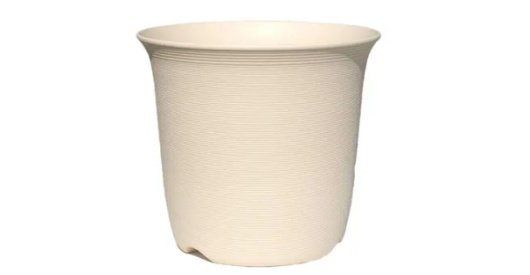
With the increasing emphasis on sustainability, biodegradable grower pots have become a popular choice for eco-conscious gardeners. These pots are typically made from materials like coconut coir, peat moss, or rice husks, all of which break down naturally over time. Biodegradable pots are especially beneficial in the organic farming sector, as they eliminate the need for plastic waste.
Pros:
Eco-friendly and biodegradable
Reduces plastic waste in gardening
Can be planted directly into the ground, eliminating the need for repotting
Made from renewable resources
Cons:
Can be more expensive than plastic or clay pots
Not as durable as plastic, can degrade too quickly
May not hold up well in outdoor conditions, especially in wet climates
Limited size options available
Biodegradable pots are perfect for sustainable gardening practices and are widely used in organic farming and greenhouse operations. They offer a great solution for those looking to reduce their environmental footprint while still providing the necessary growing conditions for their plants.
Pros | Cons |
Eco-friendly and biodegradable | More expensive than plastic or clay pots |
Reduces plastic waste | Can degrade quickly in wet conditions |
Can be planted directly into the ground | Limited size options available |
Made from renewable resources |
Fabric pots, also known as "smart pots," are relatively new in the world of grower pots but have gained popularity due to their breathability and ability to encourage healthy root growth. These pots are typically made from a variety of fabric materials such as polyester or nonwoven fabric. The fabric allows for air pruning, where the roots naturally stop growing once they hit the side of the pot, preventing root circling and promoting healthy, well-formed roots.
Pros:
Excellent air circulation, preventing root rot
Helps promote healthier root systems
Lightweight and easy to move
Easy to store when not in use
Cons:
Can dry out quickly, requiring more frequent watering
Can be more expensive than plastic pots
Not as durable as other materials and may tear over time
Fabric pots are especially beneficial for plants that need a high level of air circulation, such as vegetables and certain flowers. They are commonly used in raised garden beds and container gardening.
Pros | Cons |
Excellent air circulation | Can dry out quickly |
Promotes healthier root systems | More expensive than plastic pots |
Lightweight and easy to move | Less durable over time |
Easy to store when not in use |
Choosing the right grower pot is essential for the success of your plants. Whether you're a commercial grower or a home gardener, understanding the different types of pots and their benefits can help you create the best growing environment for your plants.
At Yangzhou City Zhonghuan Hi-tech Plastic Co., Ltd., we are committed to providing high-quality grower pots made from durable materials, including plastic, biodegradable options, and fabric. Our products are designed to meet the needs of both amateur and professional gardeners, offering exceptional quality and value. For more information about our grower pots and how they can enhance your plant-growing experience, please feel free to contact us today.
Q1: What is the most durable material for grower pots?
A1: Plastic grower pots are among the most durable options, as they are resistant to cracking and can withstand outdoor conditions for a long time. However, clay pots are also durable but are heavier and can break if dropped.
Q2: Can biodegradable pots be reused?
A2: Biodegradable pots are designed for single-use only, as they break down naturally over time. However, they can be planted directly into the ground, reducing waste and making them ideal for organic gardening.
Q3: Do fabric pots improve plant growth?
A3: Yes, fabric pots promote healthier root growth by allowing air to circulate around the roots, preventing root rot and encouraging proper root structure.
Q4: Are fabric pots suitable for all types of plants?
A4: Fabric pots are best for plants that require healthy root systems, such as vegetables, flowers, and some shrubs. They are not suitable for plants that prefer moist, low-oxygen environments.


